Revolutionizing Journeys: A Deep Dive into Modern Travel App Innovations
In an era defined by digital connectivity, travel apps have become indispensable tools for navigating the complexities of global mobility. These applications streamline everything from flight bookings to cultural immersion, transforming how travelers plan, execute, and reflect upon their adventures.
The evolution of mobile technology has unlocked unprecedented possibilities, empowering individuals to explore remote locations with confidence and convenience. From real-time translation services to immersive augmented reality previews, modern travel apps redefine what’s possible during every stage of a journey.
Evolving Landscapes of Mobile Travel Solutions
Digital nomadism has catalyzed a paradigm shift in how people conceptualize work and leisure. This lifestyle demands seamless integration between professional obligations and recreational pursuits, which travel apps facilitate through intelligent scheduling systems and location-aware notifications.
Sophisticated algorithms analyze behavioral patterns to anticipate needs, whether suggesting nearby co-working spaces or recommending off-grid retreats tailored to individual productivity rhythms. Location intelligence transforms passive wanderers into active participants shaping their own adventure narratives.
Dynamic itineraries: Adaptive planning engines consider weather forecasts, event schedules, and crowd density metrics to optimize routes and timing
Offline accessibility: Essential functionality persists even without network coverage through innovative caching mechanisms
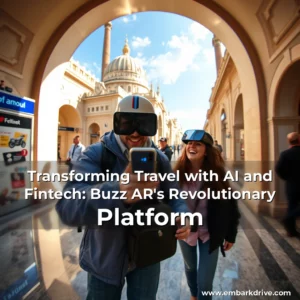
Cultural contextualization: Augmented reality overlays provide historical context and linguistic assistance at landmarks worldwide
Integration with Emerging Technologies
The convergence of artificial intelligence and geospatial analysis has enabled groundbreaking advancements in travel planning. Machine learning models process vast datasets to predict optimal departure times, identify hidden gems, and mitigate potential disruptions before they occur.
Voice-activated interfaces simplify interactions for hands-free operation, particularly useful during transit or outdoor excursions. Smartwatch compatibility allows instant access to critical information through wrist-mounted displays optimized for quick reference.
Augmented Reality Enhancements
A study by the International Air Transport Association revealed 68% of travelers prefer destinations offering AR-enhanced experiences. Virtual reconstructions overlay historical artifacts onto current landscapes, creating interactive storytelling opportunities at archaeological sites and museums.
Navigation systems employ visual markers and spatial audio cues to guide users through complex environments like airports or foreign city centers. Real-time object recognition assists with identifying flora/fauna species in natural reserves.
Personalized Experiences Through Data Analytics
Machine learning algorithms analyze past behaviors to curate hyper-relevant suggestions. If a traveler frequently visits art galleries, the app might recommend lesser-known exhibitions matching their aesthetic preferences.
Predictive modeling anticipates needs based on environmental factors – suggesting rain gear when approaching storm-prone regions or adjusting hotel recommendations according to seasonal festivals in target destinations.
Adaptive interfaces: UI configurations evolve dynamically based on usage patterns
Behavioral profiling: Anonymized data aggregates help refine recommendation accuracy over time
Contextual awareness: Geolocation triggers relevant alerts about local regulations or customs norms
Security and Privacy Considerations
Rising concerns about data privacy necessitate robust security protocols within travel applications. End-to-end encryption protects sensitive information transmitted during transactions involving financial data or health records.
Biometric authentication methods offer enhanced security compared to traditional password systems. Fingerprint scanners and facial recognition technologies verify identity without compromising convenience.
Data minimization principles: Only essential information is collected, reducing exposure risks
Transparent policies: Clear explanations of data usage terms foster consumer trust
Anonymization techniques: Personal identifiers are stripped from aggregated datasets used for trend analysis
Offline Capabilities for Seamless Connectivity
Advanced caching systems enable full functionality even in areas with limited cellular reception. Maps, transportation schedules, and emergency contact lists remain accessible until reconnection occurs.
Language translation modules store common phrases locally, allowing communication in foreign countries without requiring constant internet access. Emergency response features initiate predefined actions automatically in crisis situations.
Smart storage allocation: Applications prioritize retaining critical functions while managing memory constraints efficiently
Progressive enhancement strategies: Core functionalities operate independently of ancillary features
Fallback mechanisms: Intelligent defaults activate when primary systems fail due to technical issues
Sustainability-Focused Features
Eco-conscious travelers benefit from integrated carbon footprint calculators that estimate emissions associated with different modes of transport. Recommendations favor low-emission options whenever feasible alternatives exist.
Apps highlight certified green accommodations that implement energy-saving measures or participate in conservation programs. Sustainable tourism initiatives receive special designation within search results.
Carbon offset partnerships: Users can contribute to reforestation projects via embedded microtransactions
Local economy promotion: Prioritizes businesses owned by residents of visited communities
Traffic pattern analysis: Suggests less congested routes to reduce fuel consumption and pollution
Cross-Platform Usability Standards
Responsive design ensures consistent performance across diverse device ecosystems, from smartphones to tablets and wearable gadgets. Unified account systems allow uninterrupted experience transitions between platforms.
Cloud synchronization maintains up-to-date information across devices, preventing discrepancies that might arise from manual updates. Compatibility testing guarantees reliable functionality on both iOS and Android operating systems.
Hybrid architecture advantages: Combines native components with web-based frameworks for optimal flexibility
Accessibility compliance: Adheres to WCAG guidelines ensuring usable interface for people with disabilities
Localization expertise: Offers multilingual support with culturally appropriate adaptations
User Reviews and Community Engagement
Peer-generated content serves as invaluable resource for making informed decisions. Verified traveler feedback highlights authentic experiences beyond curated promotional materials.
Community forums foster knowledge sharing among enthusiasts, enabling discovery of niche attractions often overlooked by mainstream guides. Rating systems incorporate weighted scoring based on recency and credibility indicators.
Verified authenticity checks: Algorithms detect suspicious activity to protect against fake reviews
Multimedia enhancements: Photo/video submissions enrich textual descriptions with visual evidence
Social proof validation: Cross-references profiles to confirm genuine engagement levels
Customer Support Integration
Intelligent chatbots handle routine inquiries while escalating complex issues to human representatives. Proactive monitoring identifies potential problems before they escalate into crises.
Multi-channel support encompasses live chat, email correspondence, and phone consultations, catering to varied preference levels. Escalation pathways guarantee timely resolution for urgent matters.
Knowledge base repositories: Comprehensive FAQs address common concerns proactively
Priority queues: VIP subscribers receive expedited service for critical issues
Post-resolution surveys: Gather feedback to continuously improve support quality
Future Trends Shaping Travel Technology
Quantum computing promises breakthroughs in route optimization calculations, potentially revolutionizing logistics management for transportation providers. Predictive maintenance systems will minimize delays by anticipating equipment failures preemptively.
Neural interface technologies may eventually replace traditional touchscreens, allowing direct brain-computer interaction for intuitive navigation. Haptic feedback systems enhance realism in virtual travel simulations through tactile responses.
Immersive simulation capabilities: VR headsets recreate destination environments for pre-trip preparation
Autonomous vehicle coordination: AI-driven networks manage traffic flows optimally
Biometric identification expansion: More secure verification methods than conventional passwords
Conclusion
The transformation wrought by travel apps extends far beyond mere logistical convenience; it represents a fundamental reshaping of how humans engage with distant cultures and environments. These innovations democratize exploration while enhancing safety and efficiency.
As we look toward future developments, embracing these technological advances becomes crucial for maximizing the rewards of global travel. By leveraging the latest applications, adventurers unlock unparalleled opportunities for meaningful connections and memorable discoveries.

news is a contributor at EmbarkDrive. We are committed to providing well-researched, accurate, and valuable content to our readers.