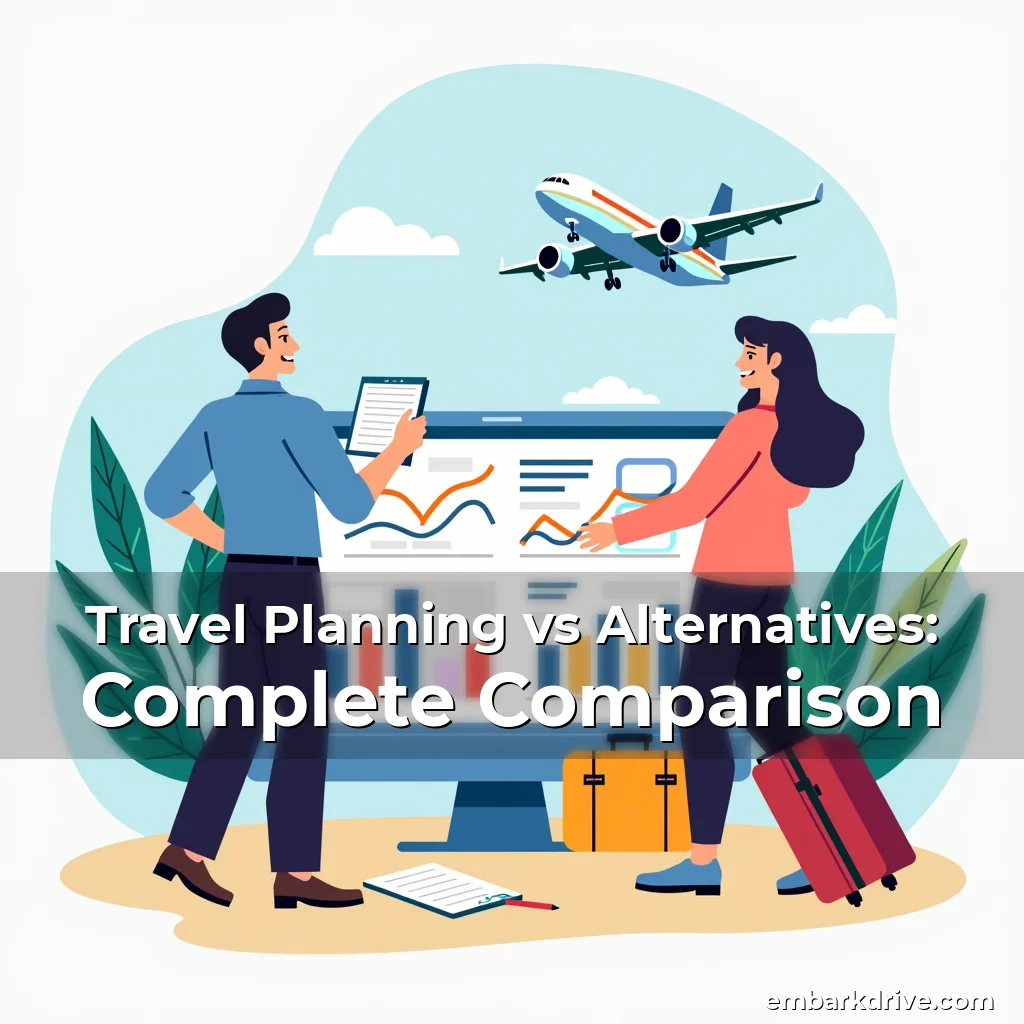
Travel Planning vs Alternatives: Complete Comparison
In an age where spontaneous adventures are often romanticized, the debate between meticulous travel planning and last-minute decision-making continues to spark passionate discussions among globetrotters. This article delves into the nuanced advantages and drawbacks of each approach, helping you determine which method aligns best with your personal preferences and travel goals.
The choice between structured itinerary planning and spontaneous exploration isn’t merely a matter of preference—it’s a strategic decision that impacts everything from your budget to cultural immersion opportunities. Understanding these distinctions can transform casual vacations into meaningful experiences tailored precisely to your needs.
Understanding Travel Planning Methodologies
A well-crafted travel plan typically begins with defining objectives—whether you’re seeking relaxation, adventure, education, or a mix of experiences. Establishing clear priorities helps narrow down destinations, accommodations, transportation options, and activities that will maximize enjoyment while minimizing stress.
Modern travelers have access to advanced tools ranging from AI-powered trip planners to interactive maps that simulate real-time traffic conditions. These technologies enable precise scheduling of flights, hotels, and attractions while providing instant comparisons across hundreds of providers.
Consideration: While technology enhances efficiency, over-reliance on automation risks diminishing spontaneity—the very element that makes some journeys unforgettable. Balancing technological assistance with human judgment remains crucial for optimal outcomes.
Evaluating Last-Minute Travel Approaches
Last-minute travel enthusiasts thrive on surprise and flexibility. Without rigid schedules or commitments, adventurers can capitalize on sudden deals, off-season discounts, and unexpected local events that might otherwise go unnoticed by planned-itinerary travelers.
This approach requires strong improvisational skills but offers unparalleled freedom to change direction at any time. Whether deciding to extend a stay due to exceptional weather or pivoting toward new interests discovered upon arrival, unplanned trips often lead to richer storytelling experiences.
- Safety Advantage: Spontaneous travel reduces risk associated with pre-booked arrangements such as canceled reservations during inclement weather.
- Mobility Benefit: Last-minute bookings frequently offer greater price elasticity, especially when booking within 7 days of departure through certain airline loyalty programs.
Budget Considerations Across Approaches
Detailed financial analysis reveals significant differences between planned and spontaneous approaches. Structured itineraries allow for accurate cost estimation based on known variables—flights, lodging durations, meal plans—while also enabling effective cash flow management through advance payments.
Last-minute travelers face inherent unpredictability but may encounter substantial savings through impulse buying tactics or leveraging destination-specific promotions designed to fill unoccupied hotel rooms or unsold air tickets.
Statistical Insight: A 2023 report indicates that travelers who commit to fully planned trips spend approximately 28% less than those relying solely on ad-hoc decisions, although this varies significantly depending on travel style and region visited.
Cultural Immersion Opportunities
Structured itineraries sometimes hinder deep cultural engagement by prioritizing sightseeing over experiential learning. Scheduled tours to landmarks may limit interaction with local communities compared to open-ended exploration allowing natural encounters with residents going about daily life.
Spontaneous travelers frequently participate in authentic exchanges through serendipitous conversations, attending neighborhood festivals without prior notification, or joining locally organized workshops not listed in typical tourist guides.
Language Acquisition Potential
Studies show that individuals engaging in unplanned travel experience faster language acquisition rates—up to twice as fast—due to constant necessity for verbal communication beyond basic greetings and menu reading.
When forced to navigate unfamiliar environments independently, travelers develop contextual vocabulary quickly through active listening and observational learning techniques not practiced in structured educational settings.
Health & Safety Implications
Rigorous planning enables preemptive health preparations including obtaining necessary vaccinations, packing climate-appropriate clothing, and purchasing travel insurance covering medical emergencies abroad.
Last-minute travelers rely heavily on on-the-spot problem-solving abilities but benefit from lower exposure to crowded areas commonly targeted by vendors selling counterfeit goods or engaging in aggressive marketing practices.
Important Note: Digital nomads using remote work strategies should balance safety precautions against desired level of urban exploration when choosing between planned vs spontaneous methods.
Environmental Impact Assessment
Strategically planned travels often incorporate eco-friendly choices through advance research—selecting certified green hotels, avoiding peak season overcrowding that damages historical sites, and participating in carbon offset programs offered by responsible tour operators.
Unplanned trips occasionally contribute unintentionally to environmental degradation through impulsive purchases of single-use plastic items or visiting fragile ecosystems without proper guidelines established by conservation authorities.
Comparative Data: Research indicates that conscientious travelers following structured plans reduce their carbon footprint by up to 35% compared to those making random selections without considering sustainability factors.
Tech Integration in Modern Travel Decisions
Artificial intelligence now assists both planning-oriented and spontaneous travelers by analyzing real-time data feeds from various sources—weather forecasts affecting outdoor activity viability, crowd density sensors monitoring popular attraction capacities, and even predictive algorithms estimating currency exchange fluctuations impacting spending power.
Hybrid models combining elements of both approaches use smart calendar integration features reminding users about optimal times to book certain services based on machine learning patterns observed from millions of previous travel records.
Potential Limitations: Overuse of algorithm-driven recommendations can create echo chamber effects limiting discovery potential by reinforcing only what system deems familiar rather than introducing novel experiences.
Personality Types & Optimal Methods
Analytical individuals preferring control structures tend to favor thorough planning processes ensuring every aspect is accounted for before departure. Their attention to detail allows them to maximize resources effectively without unnecessary expenditures.
Ledger-conscious budgeters appreciate the affordability benefits of last-minute deals despite increased uncertainty levels, finding satisfaction in stretching funds further through adaptive resource allocation strategies during actual travel periods.
Creative Explorers: Those valuing novelty often embrace hybrid models utilizing partial plans combined with ongoing modifications informed by changing circumstances and emerging opportunities encountered along journey paths.
Future Trends Shaping Travel Decision Making
Emerging technologies promise revolutionizing how people decide on travel formats. Virtual reality previews of destinations already available help both planner types better visualize expectations versus realities reducing post-travel disappointment.
The rise of decentralized autonomous organizations (DAOs) focused on shared travel experiences presents exciting possibilities for flexible collective journeys blending aspects of both planning methodologies through community-driven decision protocols.
Evolution Prediction: By 2030, augmented reality navigation systems could provide instantaneous route optimizations integrating current mobility infrastructure status thereby enhancing effectiveness regardless of initial planning degree adopted by traveler groups.
Conclusion
The ultimate success of any travel methodology hinges not on its structure alone but on how well it matches individual personalities, aspirations, and life circumstances. Recognizing strengths and limitations of different approaches empowers travelers to make more informed choices aligned with personal values.
Whether opting for meticulously crafted itineraries or embracing the thrill of spontaneity, maintaining balance ensures fulfilling experiences free from undue stress while maximizing opportunities for genuine connection with diverse cultures worldwide.

news is a contributor at EmbarkDrive. We are committed to providing well-researched, accurate, and valuable content to our readers.