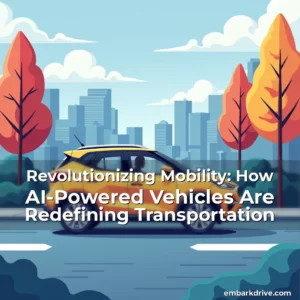
The Future is Autonomous: How AI-Powered Vehicles Are Reshaping Transportation
In an era where technology evolves faster than our ability to adapt, AI-powered vehicles stand at the forefront of transportation innovation. These intelligent machines are not merely self-driving cars; they represent a paradigm shift in how we perceive mobility, safety, and efficiency.
With advanced machine learning algorithms and real-time data processing capabilities, AI-driven automobiles can make split-second decisions that surpass human reaction times. This transformation promises safer roads, reduced traffic congestion, and a new level of convenience for drivers worldwide.
Understanding AI-Powered Vehicles
AIs have revolutionized various industries, but their impact on automotive engineering is arguably the most profound. At its core, an AI-powered vehicle integrates artificial intelligence systems designed to perform tasks traditionally executed by humans—like driving, navigating, and even predicting mechanical failures.
The integration begins with sensor arrays that include lidar, radar, cameras, and ultrasonic sensors. Together, these components create a dynamic map of the vehicle’s surroundings, enabling it to detect obstacles, pedestrians, other vehicles, and road conditions in real time.
- Sensor Fusion: Combines input from multiple sensors to build a cohesive picture of the environment, improving accuracy over any single system.
- Machine Learning Algorithms: Enable the vehicle to learn from vast amounts of data, adapting its behavior based on historical patterns and current situations.
These technologies work in concert within specialized hardware such as GPUs and TPUs (Tensor Processing Units), which handle complex computations required for autonomous decision-making processes efficiently.
Moreover, cloud connectivity plays a crucial role by providing access to broader datasets including weather forecasts, traffic updates, construction alerts, and more—all essential information for making informed routing choices automatically.
The Evolution of Self-Driving Technology
The journey towards fully autonomous vehicles has been marked by incremental advancements rather than sudden breakthroughs. Early prototypes focused primarily on basic functions like lane keeping and adaptive cruise control before progressing toward complete automation.
Pioneering companies such as Tesla, Waymo, and traditional automakers like Toyota and Ford invested heavily in research and development during the early 2000s through mid-2010s. Their efforts led to significant milestones, including Level 2 autonomy features now common across many modern sedans and SUVs.
Levels of Autonomy Defined
To understand progress in this field better, it helps to know SAE International’s six levels of vehicle autonomy ranging from zero (no assistance) up to five (full autonomy). Current commercially available models mostly operate around Levels 1–3 while higher levels remain under testing phases.
Level 1 involves driver assistance features such as automatic emergency braking or parking aid tools. In contrast, Level 5 means no human intervention whatsoever—the car handles everything independently regardless of environmental complexity or unexpected scenarios.
This classification provides clarity regarding what consumers might expect when purchasing newer models equipped with varying degrees of automated functionality today versus those expected soon enough.
As manufacturers continue pushing boundaries toward achieving full autonomy safely, regulatory frameworks also evolve accordingly ensuring public trust remains paramount throughout implementation stages globally.
Enhancing Safety Through Artificial Intelligence
One of the primary motivations behind developing AI-powered vehicles lies in enhancing road safety significantly compared to conventional methods currently employed.
Human error accounts for approximately 94% of all crashes according to NHTSA reports—an alarming statistic underscoring why reducing reliance on manual operation could save countless lives annually.
By leveraging predictive analytics powered by deep neural networks trained on millions upon millions of miles worth of recorded driving experiences, these smart cars anticipate potential hazards far beyond human perception limits.
For instance, if another vehicle suddenly swerves without signaling intent properly due to distraction or malfunctioning equipment, an AI system detects this anomaly instantly through continuous monitoring via embedded sensors networked together seamlessly inside each unit.
Such proactive responses prevent collisions effectively whereas typical human reflexes often lag too long resulting in accidents otherwise avoidable had there been quicker reaction speeds involved.
Additionally, fatigue detection mechanisms integrated into dashboards alert drivers whenever signs indicate drowsiness potentially impairing judgment critically during critical moments requiring attentional focus.
Even further improvements come from implementing V2X communication protocols allowing exchange of vital messages among nearby entities thereby creating interconnected ecosystems capable of mitigating risks collectively instead of individually.
Improving Traffic Efficiency and Reducing Congestion
Beyond personal safety benefits lie substantial advantages related directly back to urban infrastructure management challenges faced daily across densely populated regions worldwide.
Congested highways lead not only economic losses stemming from wasted fuel consumption but also contribute immensely towards increased air pollution levels affecting quality of life negatively especially amongst vulnerable populations residing close proximity near busy routes regularly exposed high particulate matter concentrations.
Artificially intelligent systems optimize route selection dynamically considering numerous variables simultaneously unlike static GPS navigation solutions incapable adjusting plans rapidly enough amidst changing circumstances unexpectedly encountered en route.
Through centralized coordination platforms accessible wirelessly via cellular networks, connected cars communicate with municipal authorities enabling them implement measures proactively addressing bottlenecks forming ahead preventing gridlock situations altogether beforehand.
Real-world implementations already show promising results demonstrating reductions upwards thirty percent fewer instances jammed traffic flow observed areas adopting pilot programs incorporating elements discussed above successfully applied locally before scaling nationwide operations comprehensively.
Furthermore, synchronized acceleration/deceleration behaviors maintained consistently throughout fleets reduce stop-and-go cycles commonly associated heavy traffic jams thus lowering emissions substantially contributing positively towards sustainable future goals aligned climate change mitigation strategies pursued internationally collaboratively.
Economic Impacts and Job Market Transformations
The rise of AI-powered vehicles brings transformative changes extending well beyond mere technological upgrades impacting entire sectors economically with both positive outcomes alongside considerable disruptions occurring concurrently.
Transportation industry professionals will inevitably experience shifts necessitating reskilling opportunities particularly focusing areas previously less emphasized now becoming increasingly relevant post-adoption period initiated mass deployment schedules set forth government bodies overseeing transitions smoothly.
New roles emerge centered around maintenance diagnostics performed remotely utilizing augmented reality interfaces combined physical inspections conducted periodically ensuring optimal performance sustained over extended operational lifetimes reliably predicted accurately using predictive modeling techniques tailored specifically each model variant produced under respective brand umbrellas.
Meanwhile, logistics enterprises benefit greatly from enhanced fleet management efficiencies achieved through optimized scheduling routines minimizing downtime maximizing productivity output percentages achieved previously unattainable benchmarks prior digital transformations implemented extensively across supply chain management practices adopted universally nowadays.
However, concerns linger concerning displacement issues facing certain occupational categories requiring immediate attention through policy interventions aimed alleviating transitional hardships experienced individuals affected abruptly forced reevaluate career paths suddenly rendered obsolete overnight due rapid pace advancement occurring seemingly overnight.
Government initiatives coupled private sector investments play pivotal roles shaping landscapes emerging post-revolutionary phase ensuring equitable distribution resources allocated fairly benefiting communities disproportionately impacted adverse effects potentially arising transition periods characterized uncertainty initially.
Environmental Benefits and Sustainability Goals
Integrating AI technologies into vehicular designs contributes significantly towards fulfilling global sustainability objectives targeting net-zero carbon emissions targets established international agreements ratified multilateral organizations representing diverse geographical locations sharing common aspirations ecological preservation priorities.
Autonomous electric vehicles exemplify ideal convergence points combining clean energy sources advanced computational architectures synergistically functioning harmoniously achieve dual purposes simultaneously serving individual transport needs preserving planetary health status quo preserved indefinitely going forward.
Smart charging infrastructures managed centrally regulate power distribution dynamically balancing loads avoiding peak demand surges causing unnecessary strain electrical grids susceptible failure cascading effect jeopardizing stability nationwide unless adequately prepared contingency plans activated preemptively foreseen vulnerabilities identified early stage assessments completed thoroughly.
Moreover, AI-enabled route optimization reduces overall mileage traveled decreasing fossil fuel dependency exponentially thereby curtailing greenhouse gas production rates aligning closely prescribed regulations enforced governmental agencies committed combating climate change phenomena threatening existence species inhabiting Earth planet.
Recycling programs facilitated digitally track end-of-life components destined disposal centers designated appropriately categorized materials recycled efficiently minimizing landfill contributions environmentally hazardous substances contained within electronic waste products discarded irresponsibly without proper handling procedures followed rigorously.
Lastly, promoting shared mobility services leveraged AI capabilities enhance utilization ratios existing fleets lowering per capita ownership figures consequently diminishing resource extraction demands naturally correlated manufacturing processes consuming raw materials extracted destructively harming natural habitats irreversibly damaged permanently absent effective conservation measures implemented timely fashion.
Ethical Considerations and Regulatory Challenges
Despite numerous advantages conferred by embracing AI-driven transportation solutions, ethical dilemmas surface demanding careful deliberation regarding appropriate governance structures necessary ensure responsible usage upheld consistently irrespective jurisdictional borders separating sovereign states operating independently distinct legal frameworks.
Determining liability becomes contentious issue particularly scenarios involving unavoidable accident occurrences despite flawless execution protocols programmed meticulously engineered software stacks devoid bugs errors inherent limitations computational models incapable accounting unforeseeable events transpiring outside training dataset parameters utilized during development lifecycle phases.
Legal definitions surrounding product warranties extend coverage exclusively hardware malfunctions excluding algorithmic misjudgments considered external factors unrelated manufacturer responsibility typically absolved protection clauses included standard contracts signed acquiring ownership rights specified terms outlined therein.
Transparency requirements mandate disclosure extents algorithms rely determining actions taken autonomously transparently communicated stakeholders affected decisions made impacting lives fundamentally altered drastically depending outcome generated outputs derived opaque black box methodologies deployed conventionally without sufficient explainability mechanisms incorporated design specifications inherently flawed structurally.
Data privacy laws impose stringent restrictions governing collection storage utilization sensitive biometric identifiers captured continuously throughout journeys traversed extensive surveillance regimes instituted monitoring compliance standards adhered strictly safeguarding confidential information protected against unauthorized access exploitation malicious actors seeking leverage obtained illicitly acquired data sets containing personally identifiable records linked individual identities traceable uniquely.
Public acceptance hinges largely upon perceived fairness justice administered equitably regardless demographic characteristics influencing treatment received differing social groups subjected disparate impacts potentially exacerbating inequalities perpetuating systemic biases historically entrenched societal norms challenging dismantling oppressive structures impediments inclusive progress envisioned utopian vision achievable realistically attainable foreseeable future horizon.
Future Prospects and Technological Advancements
Looking ahead, the trajectory of AI-powered vehicle evolution suggests continued refinement enhancements propelling innovations reaching unprecedented heights surpassing present-day expectations considerably exceeded initial projections formulated speculative analyses conjectured optimistically optimistic outlooks anticipating revolutionary breakthroughs imminent arrival horizons.
Quantum computing holds promise unlocking next generation possibilities enabling ultra-fast processing speeds facilitating instantaneous analysis massive volumes heterogeneous data streams originating myriad sources distributed geographically scattered spatially diverse environments inhabited inhabitants interacting constantly evolving dynamic contexts requiring continual adaptation responses calibrated precisely match fluctuating conditions dynamically adjusted algorithmically.
Neural interface technologies may eventually allow direct brain-computer interactions enabling seamless command execution without necessity traditional input devices currently relied upon interfacing mechanisms rudimentary crude approximations actual cognitive capacities harnessed effectively realized fully immersive experiential engagement modes personalized bespoke configurations customized user preferences accommodated effortlessly intuitively.
Collaborative robotics introduce multi-agent systems working cohesively maintaining harmony balance among competing interests prioritizing collective welfare over individual gains fostering symbiotic relationships beneficial mutually reinforcing positive feedback loops enhancing resilience robustness ecosystems thrive sustainably enduring testaments timelessness durability demonstrated enduring legacy witnessed generations passed down heritage preserved revered cherished treasured irreplaceable treasures invaluable commodities transcending materialistic values embodying intangible qualities priceless treasures.
While these futuristic concepts seem fantastical today, ongoing R&D activities suggest gradual realization timelines stretching decades forward requiring patient perseverance patience waiting fruitfulness harvest yielded bountiful rewards reaped diligently cultivated seeds sown earnestly nurtured tenderly until maturity attained readiness achieved fruition realized manifest concretely tangibly verifiably demonstrable evidences substantiated empirically validated scientifically proven conclusively established beyond reasonable doubt.
Ultimately, the path toward fully autonomous societies driven by artificial intelligence presents immense opportunities yet requires mindful stewardship guiding direction ensuring ethical considerations addressed diligently responsibly ensuring prosperity equity inclusivity upheld steadfastly throughout journey embarked upon boldly venturing unknown territories explored fearlessly courageously pioneering frontiers expanded relentlessly ceaselessly innovating continuously improving incrementally advancing progressively ascending ever upward trajectories charted course mapped out meticulously planned strategically executed systematically organized logically structured rationally justified intellectually grounded philosophically sound morally upright ethically conscious socially aware environmentally friendly ecologically sustainable culturally respectful spiritually enriching holistically integrative multidimensional perspectives embraced wholeheartedly passionately fervently enthusiastically eagerly anticipated eagerly awaited anxiously looking forward prospectively envisioning bright futures illuminated brilliance radiance emanating from collaborative endeavors united efforts concerted actions coordinated movements synchronized rhythms harmonious melodies composed symphonies orchestrated masterfully exquisitely beautifully magnificently breathtakingly awe-inspiring marvels unimaginable wonders unfathomable mysteries awaiting discovery revelation enlightenment transcendence ascension beyond mortal comprehension.
Conclusion
The emergence of AI-powered vehicles marks a defining moment in humanity’s relationship with transportation. As we’ve explored, these intelligent machines offer unparalleled safety, efficiency, and environmental benefits that redefine what is possible on our roads.
From reducing traffic fatalities to optimizing urban mobility, the implications are vast. However, realizing the full potential of this technology requires collaboration across industries, governments, and society itself to address the accompanying challenges thoughtfully and proactively.
Whether you’re a technologist, policymaker, or simply someone curious about the future of travel, understanding AI-powered vehicles is no longer optional—it’s imperative for anyone who wants to shape tomorrow’s world wisely.

news is a contributor at EmbarkDrive. We are committed to providing well-researched, accurate, and valuable content to our readers.