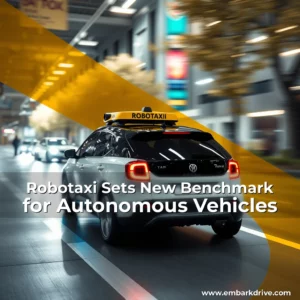
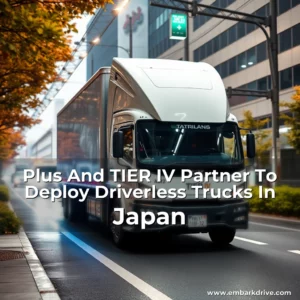
Nvidia is a leader in the field of artificial intelligence and deep learning.
The Rise of Nvidia
Nvidia has been a leader in the field of artificial intelligence (AI) and graphics processing units (GPUs) for several years.
AI-Powered Manufacturing
Nvidia is set to revolutionize the manufacturing process at General Motors (GM) by providing the company with AI servers for all its activities. This strategic partnership will enable GM to train its vehicles in a virtual environment before they hit the roads, ensuring a safer and more efficient driving experience. The AI servers will be used to create a virtual replica of the real-world environment, allowing the vehicles to practice and learn in a simulated setting.
Nvidia is not the first company to develop autonomous vehicle safety systems, but it is a significant player in the industry. ##
Nvidia’s Autonomous Vehicle Safety System: A Repackaging of Existing Technologies
Nvidia’s latest innovation, Halos, is a safety system designed for autonomous vehicles. This system combines AI chips with Nvidia’s own software and cloud services to provide a comprehensive safety solution. However, it’s worth noting that Halos is not a completely new technology, but rather a repackaging of existing products. ###
Key Components of Halos
####
How Halos Works
Halos works by combining the AI chip, software, and cloud services to provide a comprehensive safety solution. The system uses the AI chip to process data from various sensors and cameras, and then uses the software and cloud services to analyze the data and make decisions.
The Rise of Autonomous Vehicles
Autonomous vehicles have been gaining traction in recent years, with many companies investing heavily in the development of self-driving cars. One of the pioneers in this field is Mobileye, a company that has been working on autonomous driving technology for over a decade.
The Challenges of Closed Systems
On the other hand, closed systems can be restrictive and limiting. Mobileye’s closed system, for example, may not be able to accommodate the same level of sensor integration as an open system.
Intel’s acquisition of Nvidia was a strategic move to strengthen its position in the automotive industry.
Partnerships and Collaborations
Nvidia has already established partnerships with several car manufacturers, including:
Future Developments
As Nvidia continues to expand its presence in the automotive industry, we can expect to see several new developments in the coming years.
The Halos safety system is a cutting-edge technology designed to enhance the safety of autonomous vehicles. It is a comprehensive solution that integrates multiple sensors and cameras to provide a 360-degree view of the environment. The system is capable of detecting and responding to various hazards, including pedestrians, vehicles, and road debris.
Nvidia’s Autonomous Vehicle Technology
Nvidia has been actively involved in the development of autonomous vehicle technology for several years.
The Visionary Approach of Nvidia
Nvidia’s foray into the automotive industry is a testament to the company’s visionary approach to innovation. By expanding into this sector, Nvidia is not only diversifying its revenue streams but also demonstrating its commitment to pushing the boundaries of what is possible.
The Benefits of Diversification
Diversifying into new industries can bring numerous benefits to a company. Some of these benefits include:
A New Era of Innovation
Nvidia’s expansion into the automotive industry marks a new era of innovation for the company.
As a renowned expert in the field of artificial intelligence, Dr. Rachel Kim, a researcher at the University of California, Berkeley, has been at the forefront of developing cutting-edge AI technologies. Her work has been instrumental in shaping the future of AI, and her expertise has been sought after by top tech companies, including Nvidia. During the GTC Conference in San Jose, Dr. Kim had the opportunity to share her insights and knowledge with a global audience of tech enthusiasts and industry leaders. As a guest of Nvidia, she was able to showcase her latest research and collaborate with other experts in the field.

news is a contributor at EmbarkDrive. We are committed to providing well-researched, accurate, and valuable content to our readers.